
 Jan-19-2026
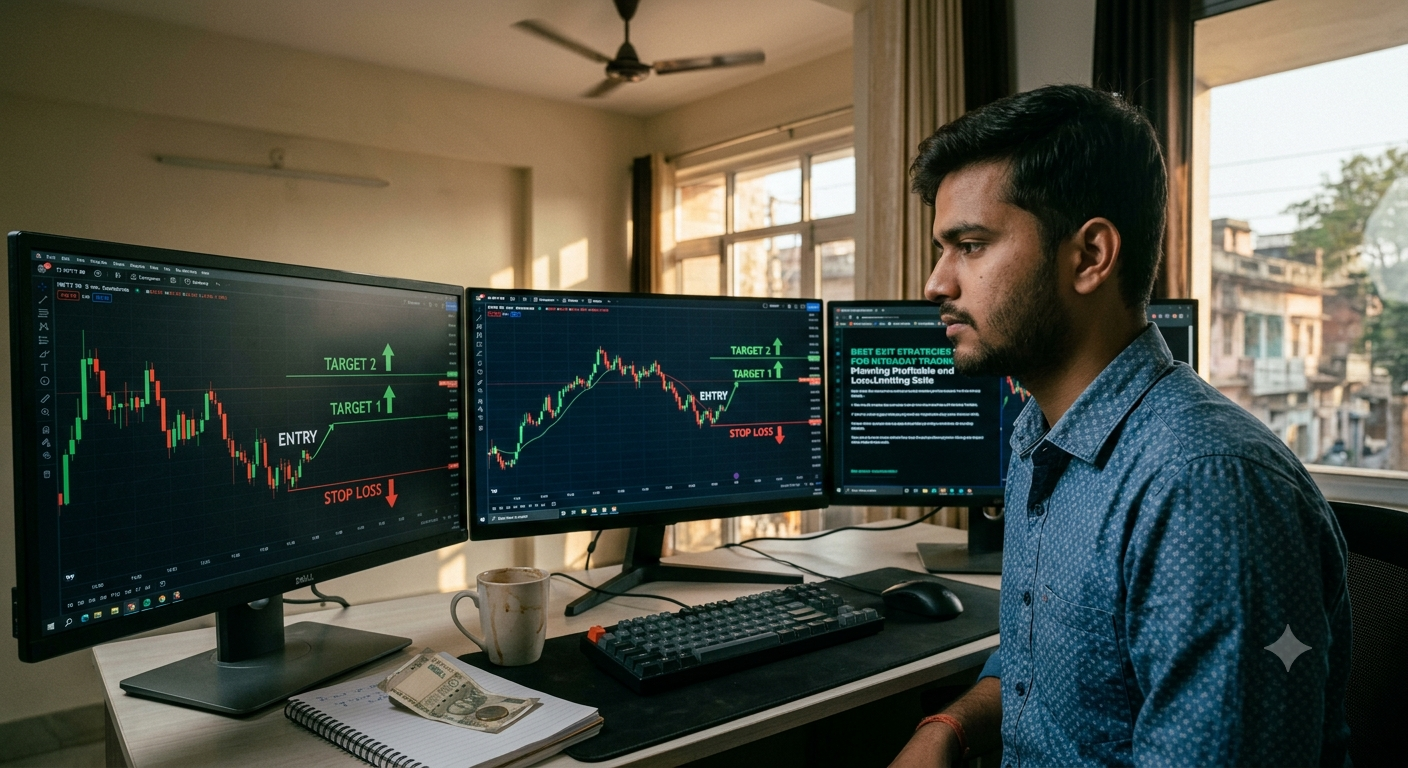
Trading isn’t just charts, indicators, or strategies — it’s a mindset game. Most traders don’t lose money because of bad analysis; they lose because emotions hijack execution. Welcome to the real alpha: trading psychology.
What Is Trading Psychology?
Trading psychology refers to the emotional and mental state that drives trading decisions. Fear, greed, overconfidence, and impatience directly impact entry, exit, and risk management. If not controlled, they erode even the best strategy.
Bottom line: strategy gets you in the game, psychology keeps you profitable.
Why Trading Psychology Matters
Markets are volatile, unpredictable, and fast-moving. Emotional reactions lead to:
Overtrading
Revenge trading
Holding losses too long
Exiting winners too early
Professional traders focus on process over outcomes. Discipline beats prediction. Always.
Key Psychological Challenges Traders Face
1. Fear
Fear of loss causes hesitation and early exits. This results in missed opportunities and inconsistent returns.
Fix: Predefine risk. Trust the plan. Execute without second-guessing.
2. Greed
Greed pushes traders to over-leverage, ignore stop-losses, and chase momentum.
Fix: Set realistic targets. Stick to position sizing rules.
3. Overconfidence
A winning streak can inflate ego and reduce discipline.
Fix: Markets don’t care about past wins. Treat every trade independently.
4. Loss Aversion
Traders hold losing positions hoping for reversal, avoiding the pain of booking losses.
Fix: Losses are business expenses. Cut fast, move on.
5. Impatience
Entering trades without confirmation or deviating from strategy.
Fix: Wait for high-probability setups. No setup = no trade.
How to Build Strong Trading Psychology
Have a Trading Plan
A clear plan defines:
Entry & exit rules
Risk per trade
Capital allocation
No plan = emotional trading.
Risk Management Is Non-Negotiable
Never risk more than you can afford to lose. Use stop-losses religiously.
Risk control > profit chasing.
Maintain a Trading Journal
Track:
Trades taken
Emotional state
Mistakes & learnings
This builds self-awareness and long-term consistency.
Focus on Long-Term Performance
Short-term losses are noise. Consistency over time is the KPI that matters.
Detach Emotion from Money
Think in probabilities, not rupees. Trading is a numbers game, not an emotional one.
Final Take
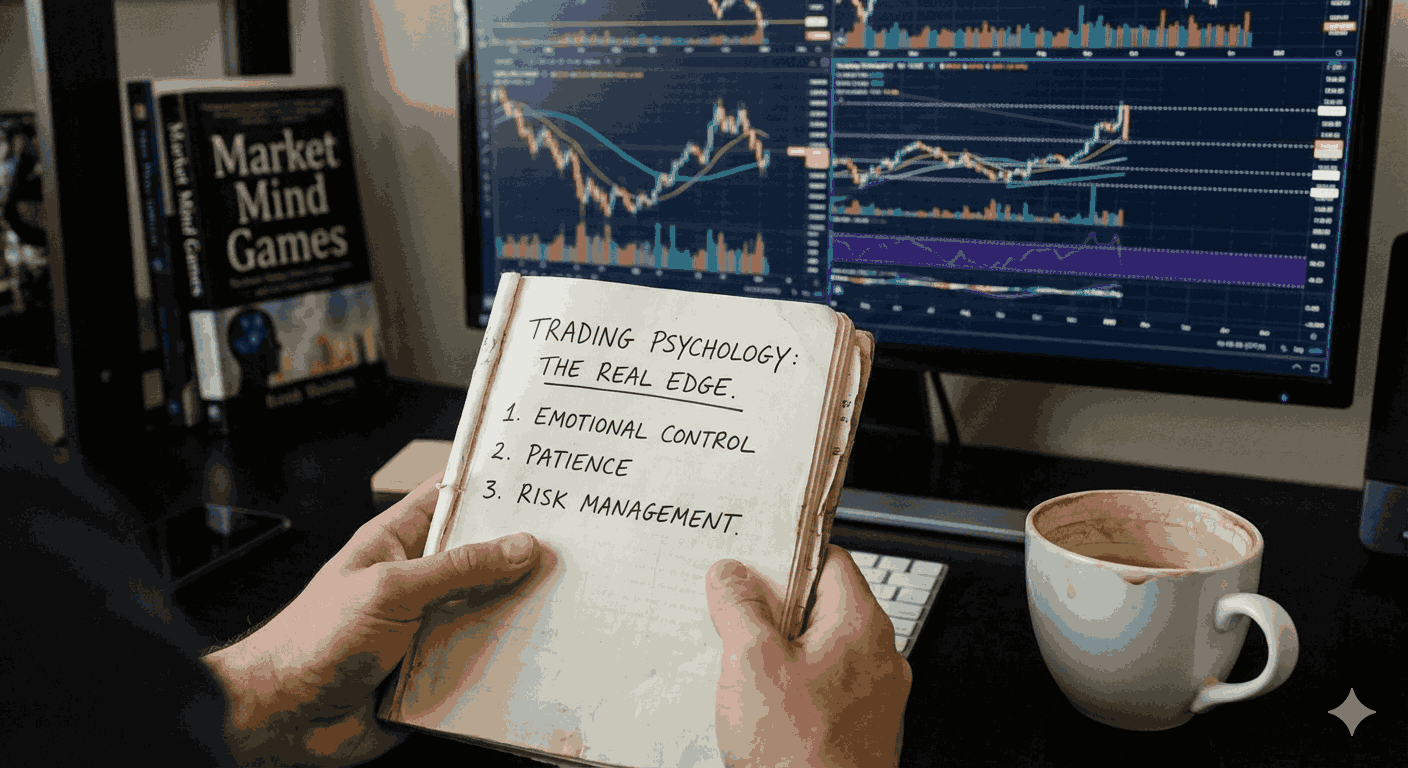
Trading psychology is your competitive advantage. Master your mindset, and strategies start working as intended. Ignore it, and even perfect analysis collapses under pressure.
The market rewards discipline, patience, and emotional control — every single time.